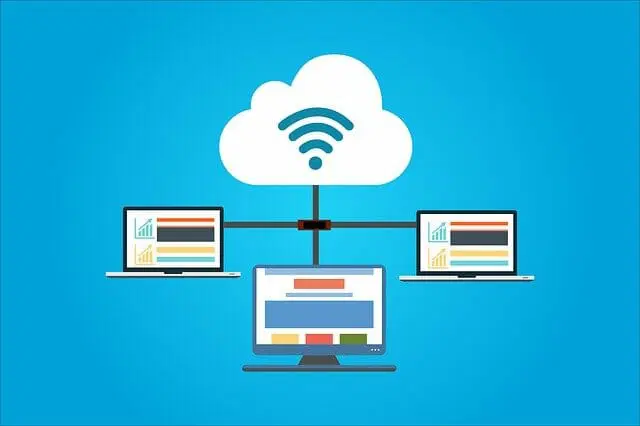
Experiential marketing creates memorable moments. Whether it's a pop-up shop, an interactive product launch, or a branded festival experience, businesses are finding creative ways to connect with customers beyond traditional advertising.
But behind the impressive displays and carefully planned activities, surprising amounts of technology are often involved.
From collecting visitor information to processing payments and running interactive installations, even a small marketing event can depend on multiple digital systems.
And while organizers spend weeks planning how everything should look, some of the technology risks can easily go unnoticed.
1) Public Wi-Fi Can Create Unexpected Security Problems
Many experiential marketing events take place in shopping centers, exhibition halls, or temporary outdoor venues where reliable internet access isn't guaranteed.
Marketing teams may rely on public Wi-Fi to operate registration systems, demonstrate products, or access company applications.
Shared networks can expose businesses to additional security threats, especially when connections aren't properly protected.
Organizers should consider using dedicated connections, encrypted communications, and appropriate access controls for devices handling sensitive information.
A SASE platform can support a broader security strategy by helping businesses protect access to cloud applications and company resources, even when teams work away from the office.
2) Interactive Experiences Often Collect More Data Than Expected
A competition entry, digital photo booth, or interactive quiz might seem like a harmless way to engage visitors.
However, these activities can involve collecting names, email addresses, photographs, and other personal information.
Businesses need to think carefully about what happens to that data after the event.
Who can access it? Where is it stored? How long will it be retained? And have visitors been properly informed about how their information will be used?
Collecting only the information genuinely needed for the activity can help reduce unnecessary privacy and security risks.
3) Hired Equipment May Not Be as Secure as You Think
Experiential marketing often involves hiring tablets, touchscreen displays, payment terminals, and other electronic equipment.
These devices might have been used at dozens of previous events.
If equipment hasn't been properly reset or updated, it could contain outdated software, saved login credentials, or information belonging to previous users.
Before an event begins, organizers should verify that hired devices are securely configured and running supported software.
It's also worth confirming who is responsible for maintaining the equipment and removing any stored information once the event finishes.
4) Temporary Staff May Have Access to Sensitive Systems
Large promotional events often rely on temporary employees, brand ambassadors, and external agencies.
These workers might need access to customer registration platforms, event management software or internal communication tools.
However, access permissions can become a problem when they're granted quickly and then forgotten.
Giving temporary staff individual accounts with limited permissions is generally safer than sharing one login across an entire event team.
Businesses should also establish a process for removing access as soon as someone's involvement ends.
Making Technology Part of the Event Planning Process
Experiential marketing relies on creativity, but successful events also depend on careful behind-the-scenes preparation.
An impressive installation won't deliver the intended experience if visitors can't register, devices stop working, or personal information isn't handled securely.
By considering cybersecurity, equipment management, data protection and technical reliability early in the planning process, businesses can reduce avoidable risks.
After all, the technology supporting an experiential marketing event should help create memorable experiences, not become the reason people remember it for the wrong reasons.